

New Antibody Stop Deadly Prostate cancer-5 min read
New Antibody Stops Deadly Prostate Cancer From Spreading — Without Chemo Side Effects
Researchers develop a fully human monoclonal antibody that blocks a key cancer-driving protein, matching chemotherapy effectiveness in preclinical models.
Larsson et al., 2026 · Signal Transduction and Targeted Therapy · CC BY 4.0 Open Access
mCRPC
mAbF11
= Chemo
The Problem: A Cancer That Won’t Stop
Metastatic castration-resistant prostate cancer (mCRPC) is one of the most difficult cancers to treat. It develops when prostate cancer stops responding to hormone therapy and continues to grow and spread. Despite existing treatments, patients with mCRPC face a poor prognosis, and the disease remains the leading cause of prostate cancer deaths worldwide.
A key driver of this aggressive behavior is a protein called TGFβ (transforming growth factor-beta), which in advanced prostate cancer promotes tumor invasion and spread through a process called epithelial-to-mesenchymal transition (EMT).
Previous attempts to block TGFβ caused dangerous heart and aorta side effects. This new research found a smarter, precisely targeted approach that avoids those risks entirely.
The Discovery: Targeting the Cleavage of TβRI
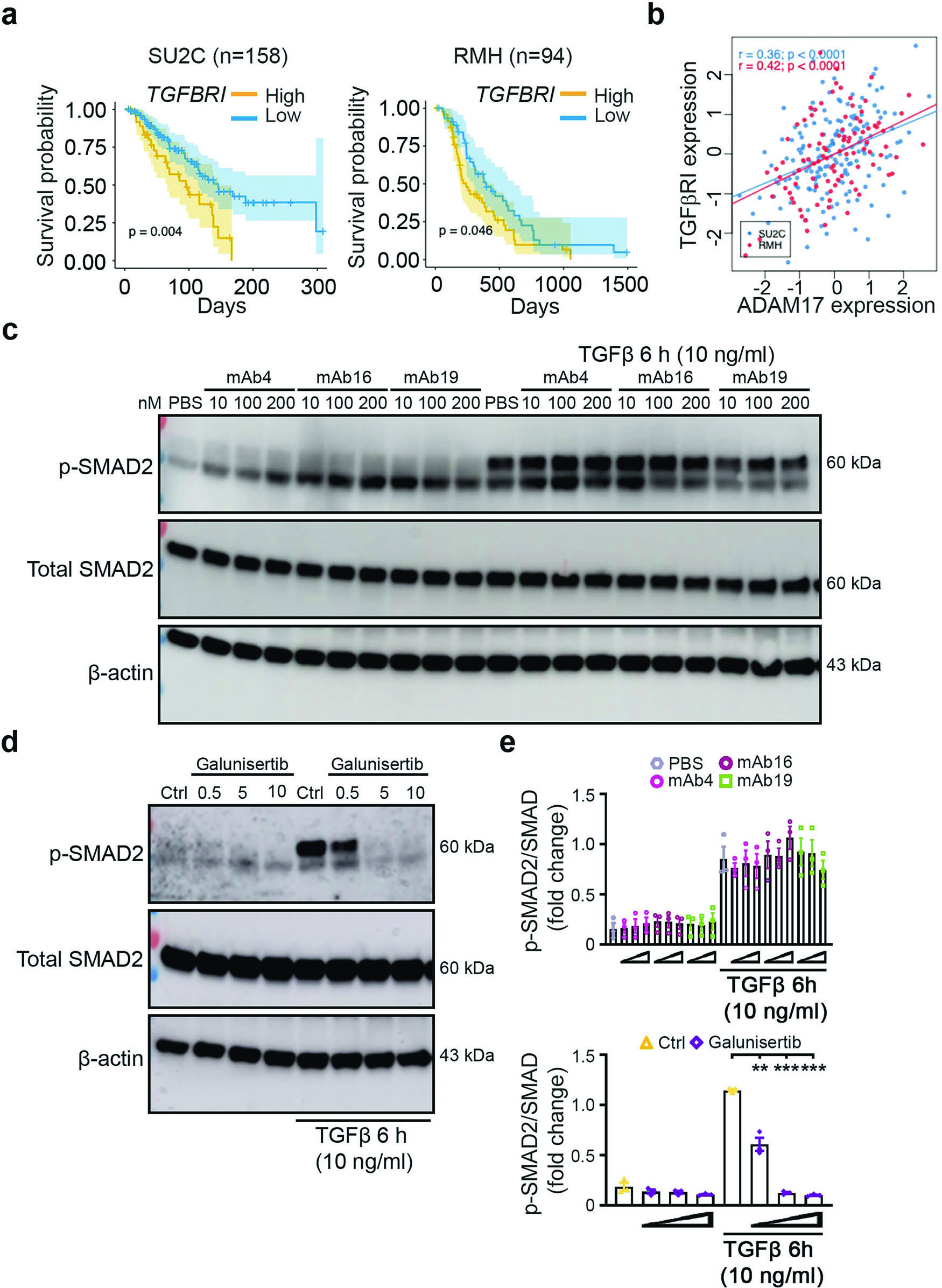
The research team, led by Maréne Landström at Umeå University (Sweden) with The Institute of Cancer Research, London, found that an enzyme called ADAM17 cuts apart the surface protein TβRI, releasing a fragment (TβRI-ICD) that travels to the cell nucleus and activates genes driving cancer invasion. Clinical data from 252 mCRPC patients confirmed that high TGFBR1 levels strongly predict poor survival.
The Solution: mAbF11 Antibody
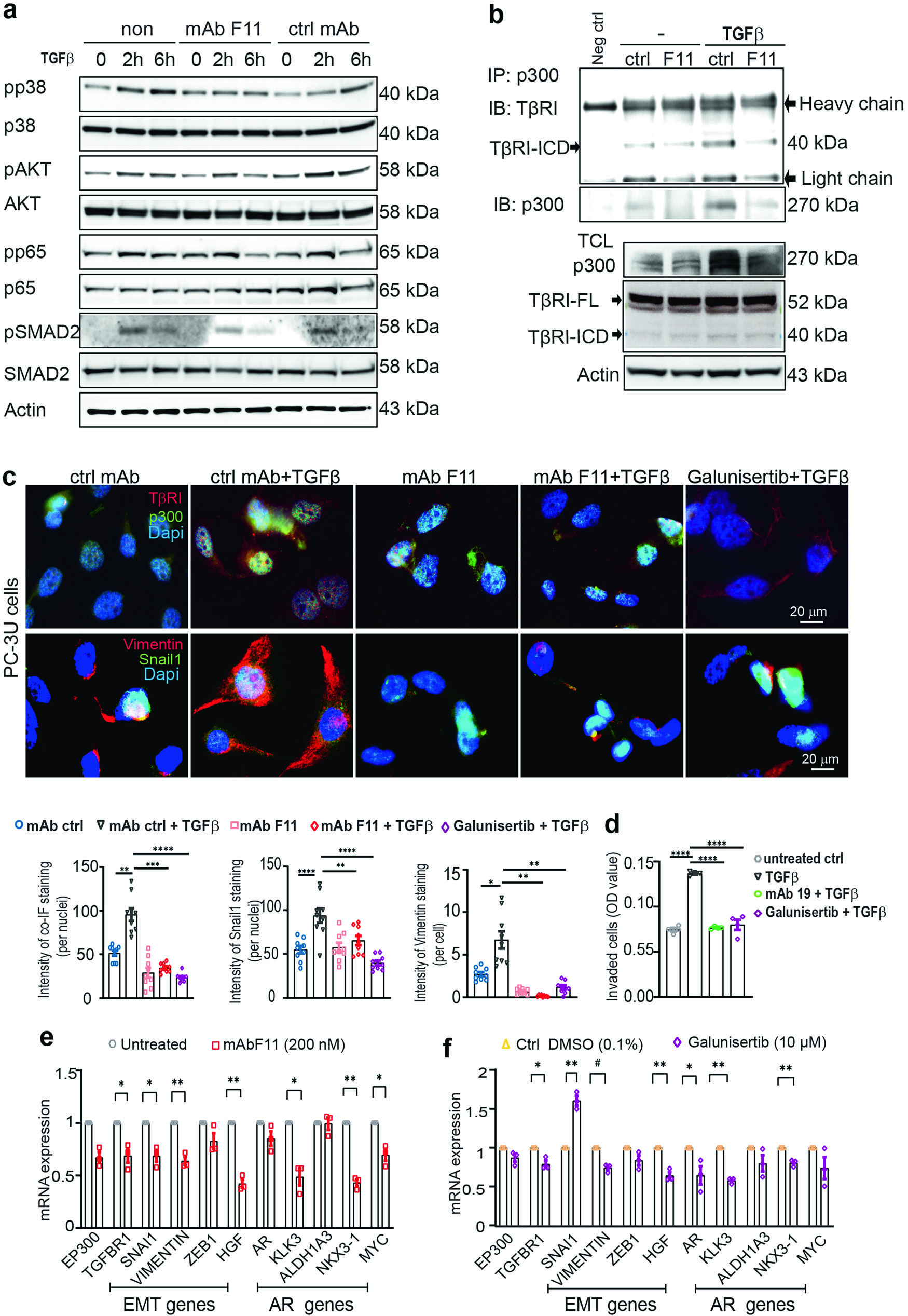
The researchers created fully human monoclonal antibodies that physically block ADAM17 from cutting TβRI — stopping the cancer cascade before it starts. The lead candidate, mAbF11, showed the strongest ability to prevent nuclear TβRI-ICD accumulation without disrupting normal, healthy TGFβ signaling in the body.
Key Findings
Tumor Growth Suppressed
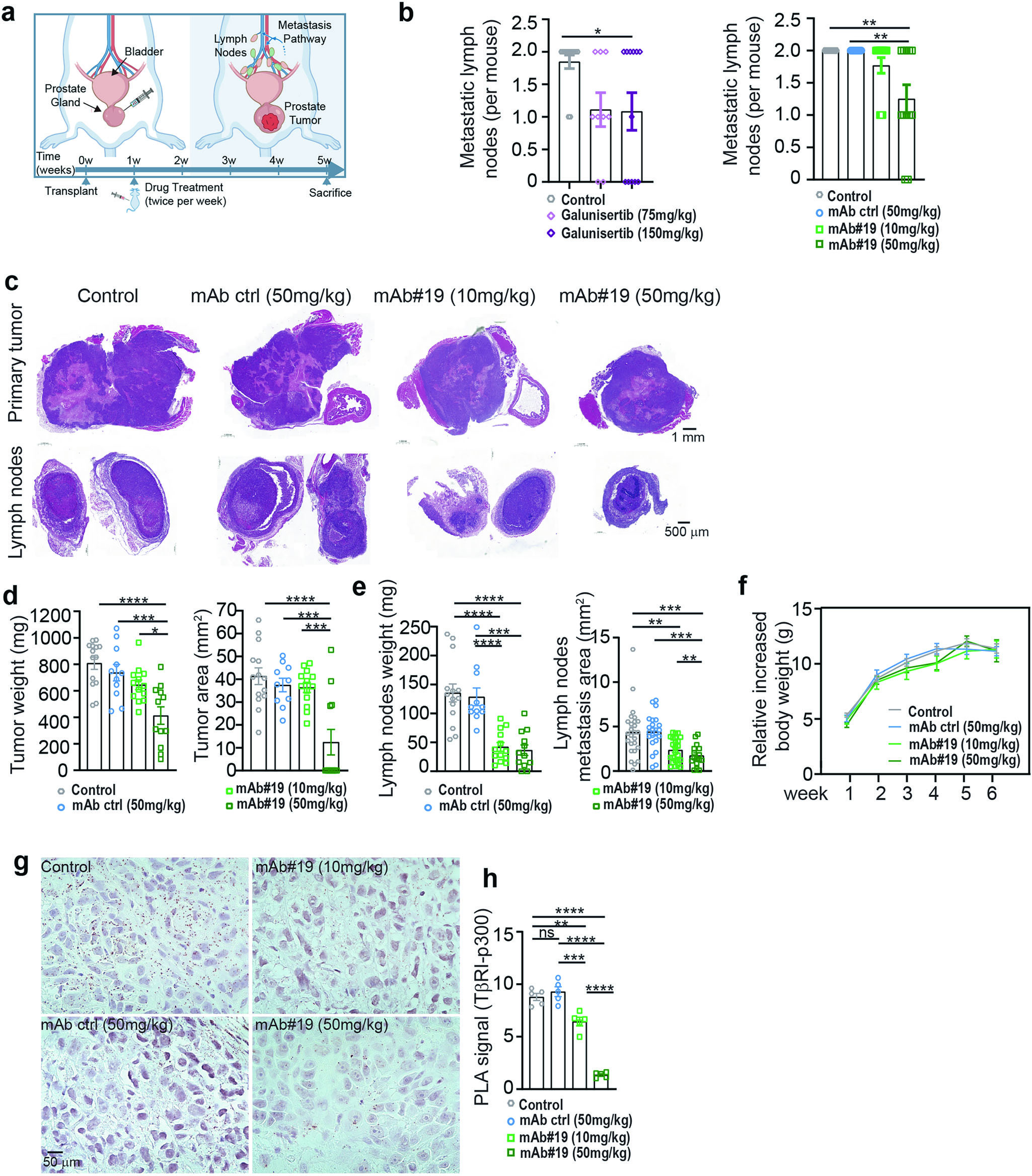
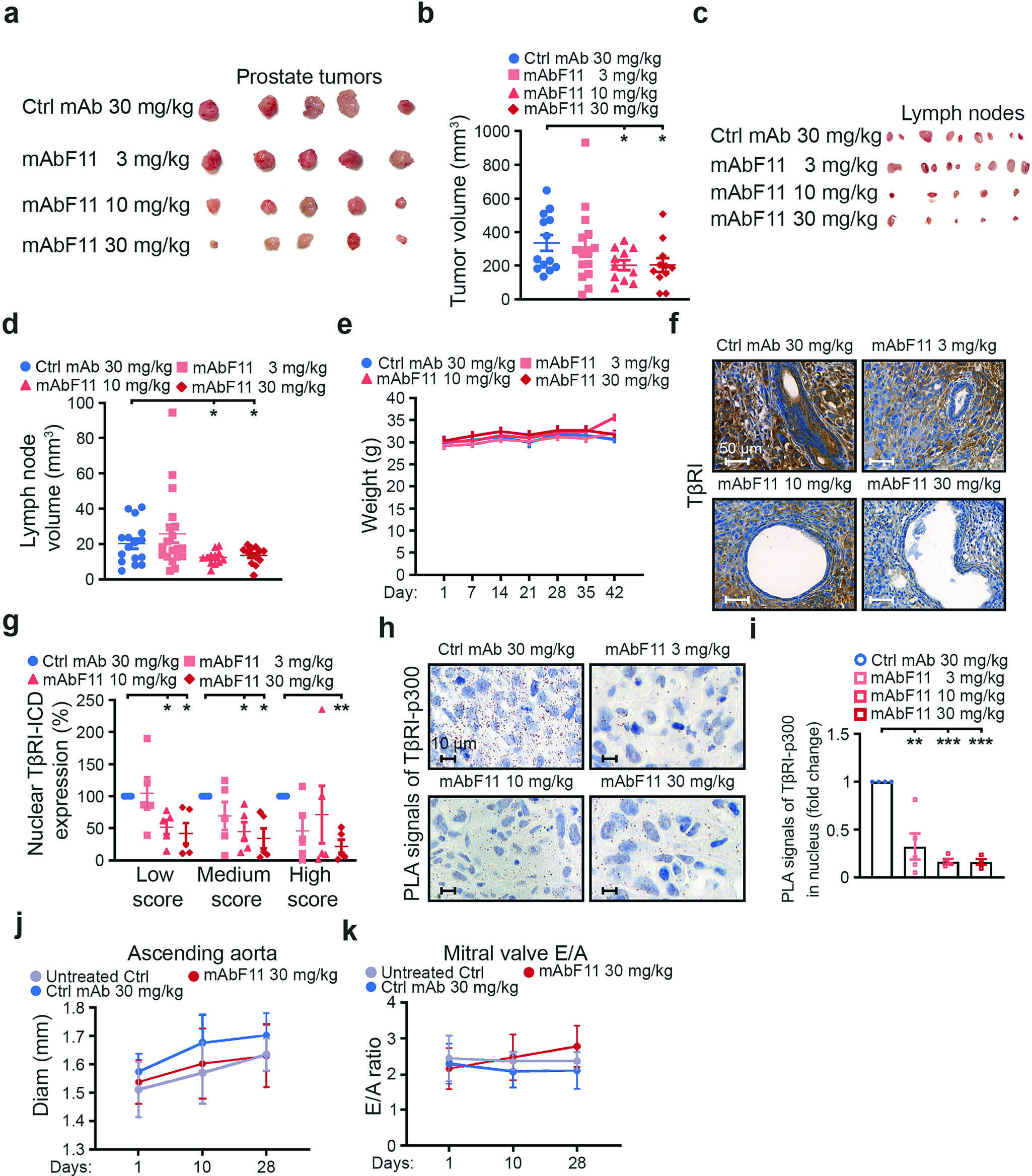
mAbF11 significantly reduced primary tumor weight and volume in preclinical mCRPC mouse models, in a dose-dependent manner.
Metastasis Blocked
Cancer spread to regional lymph nodes was significantly reduced across multiple experimental models and dose levels.
No Heart Side Effects
Unlike previous TGFβ-blocking drugs, mAbF11 showed no impact on cardiac function, aortic diameter, or body weight.
As Effective as Chemotherapy
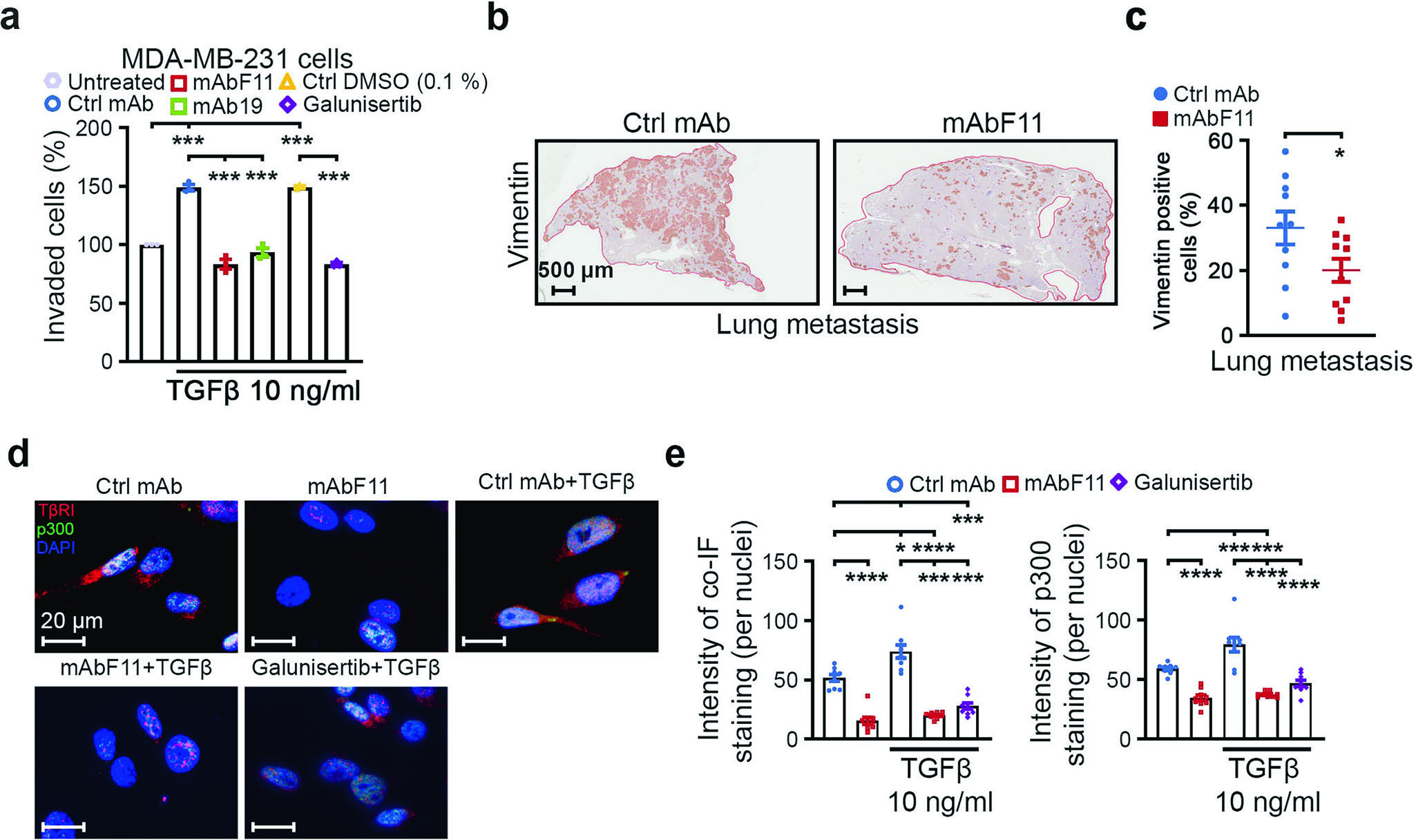
mAbF11 matched docetaxel (standard mCRPC chemo) in preventing cancer invasion — without docetaxel’s toxic side effects.
How It Works
mAbF11 binds to the exact site on TβRI where ADAM17 makes its cut, physically blocking the cleavage. Because it targets the receptor’s outer surface — not its internal kinase activity — it leaves normal SMAD signaling completely intact. This is why it avoids the heart toxicity seen with earlier TGFβ inhibitors like galunisertib.
Dose-Response and Heart Safety
A dedicated dose-response study confirmed mAbF11 works dose-dependently. Even at the highest doses tested (30 mg/kg, three times per week for four weeks), ultrasound measurements showed no effect on ascending aortic diameter or left ventricular filling — in stark contrast to earlier TGFβ-blocking drugs that caused aortic dilation.
Beyond Prostate Cancer: Breast Cancer Results
mAbF11 also reduced invasion of triple-negative breast cancer cells in the lab and significantly reduced lung metastases in an orthotopic mouse model — suggesting potential applicability to other TGFβ-driven cancers beyond prostate cancer.
What This Means for Patients
This research is at the preclinical stage — human clinical trials are the next step. However, several aspects are very encouraging: mAbF11 is fully human (reducing immune reaction risk), matches chemotherapy in effectiveness, avoids dangerous heart side effects, and shows activity in multiple cancer types. MetaCurUm Biotech AB (Sweden) is actively developing this therapy for clinical use.
✓ Open Access — Creative Commons Attribution 4.0 (CC BY 4.0)
This article is based on open-access research. All figures reproduced from the original publication with full attribution. Free to share with appropriate credit to the original authors.
Original Research: Larsson PF, Schmidt A, Mu Y, et al. (2026). Targeting oncogenic TβRI signaling inhibits androgen-independent prostate cancer growth and metastasis. Signal Transduction and Targeted Therapy, 11:238. DOI: https://doi.org/10.1038/s41392-026-02737-x
This summary is for general informational purposes only and does not constitute medical advice. Consult a qualified healthcare professional for personal guidance.